Command relations within the U.S. military are crucial for ensuring efficient and effective operations, particularly in the complex arena of global logistics and mobility. Two key players in this domain are the U.S. Transportation Command (USTRANSCOM) and the Air Mobility Command (AMC). Understanding how these two entities interact is essential for grasping the broader logistics and mobility strategy of the United States.
USTRANSCOM: The Strategic Overseer
USTRANSCOM is a unified, functional combatant command responsible for coordinating and overseeing all aspects of the Department of Defense’s global transportation efforts. This includes the deployment, sustainment, and redeployment of forces across the globe. USTRANSCOM’s primary mission is to ensure that the U.S. military can project and sustain power wherever and whenever it is needed, often in complex and challenging environments.
As the overarching command, USTRANSCOM exercises authority over the three service components that provide transportation capabilities: the Army’s Surface Deployment and Distribution Command (SDDC), the Navy’s Military Sealift Command (MSC), and the Air Force’s Air Mobility Command (AMC). USTRANSCOM’s role is to integrate these capabilities into a cohesive, global transportation network that can support a wide range of military operations.
Air Mobility Command: The Tactical Workhorse
AMC, as the Air Force component of USTRANSCOM, plays a critical role in executing air mobility operations. This includes airlift, air refueling, aeromedical evacuation, and global air mobility support. AMC’s capabilities are vital for delivering troops, equipment, and supplies to theaters of operation, as well as providing in-flight refueling that extends the range and endurance of combat aircraft.
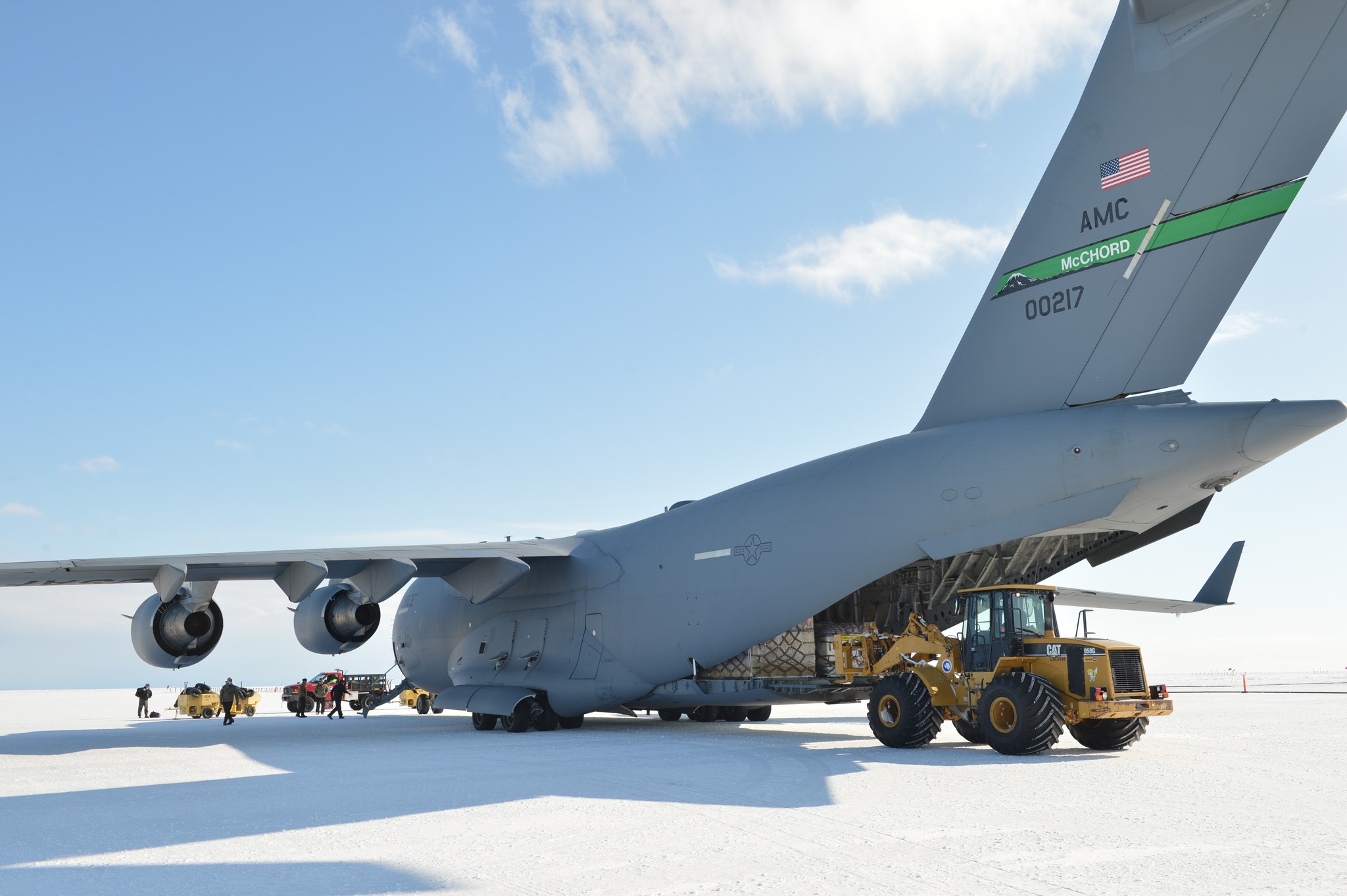
AMC operates a diverse fleet of aircraft, including the C-17 Globemaster III, C-5 Galaxy, and KC-135 Stratotanker, which are central to USTRANSCOM’s ability to project power globally. The command also oversees the readiness and deployment of these aircraft and their crews, ensuring they are available to meet the demands of USTRANSCOM’s global missions.
The Interaction: Command Relations in Practice
The relationship between USTRANSCOM and AMC is defined by a combination of operational directives, command authority, and collaborative planning. While USTRANSCOM provides strategic direction and priorities, AMC is responsible for the tactical execution of air mobility operations. This relationship can be understood through the following key aspects:
- Operational Control (OPCON) and Tactical Control (TACON): USTRANSCOM exercises OPCON over AMC for global air mobility missions, which means USTRANSCOM has the authority to direct AMC in the planning and execution of missions. TACON, on the other hand, is often delegated to AMC commanders for specific missions, allowing them to make real-time decisions to ensure mission success.
- Planning and Coordination: USTRANSCOM and AMC work closely together during the planning phase of operations. USTRANSCOM sets the strategic objectives, while AMC develops detailed air mobility plans that align with these objectives. This collaboration ensures that air mobility resources are used efficiently and effectively to support broader military goals.
- Joint Operations and Integration: AMC’s role within USTRANSCOM is not limited to Air Force missions; it also involves integrating air mobility capabilities into joint and coalition operations. This requires close coordination with other USTRANSCOM components and partner nations to ensure seamless execution of multinational operations.
- Crisis Response: In times of crisis, the relationship between USTRANSCOM and AMC is particularly critical. USTRANSCOM provides rapid guidance to AMC, which then mobilizes airlift and refueling assets to respond to the situation. Whether it’s deploying troops to a conflict zone or delivering humanitarian aid, this coordinated response is essential for maintaining global stability.
Conclusion: A Symbiotic Relationship
The interaction between USTRANSCOM and Air Mobility Command exemplifies the importance of command relations in the U.S. military’s global operations. USTRANSCOM’s strategic oversight combined with AMC’s tactical expertise ensures that the U.S. can rapidly project power and provide critical support anywhere in the world. This symbiotic relationship is a cornerstone of the U.S. military’s ability to maintain global reach and readiness.